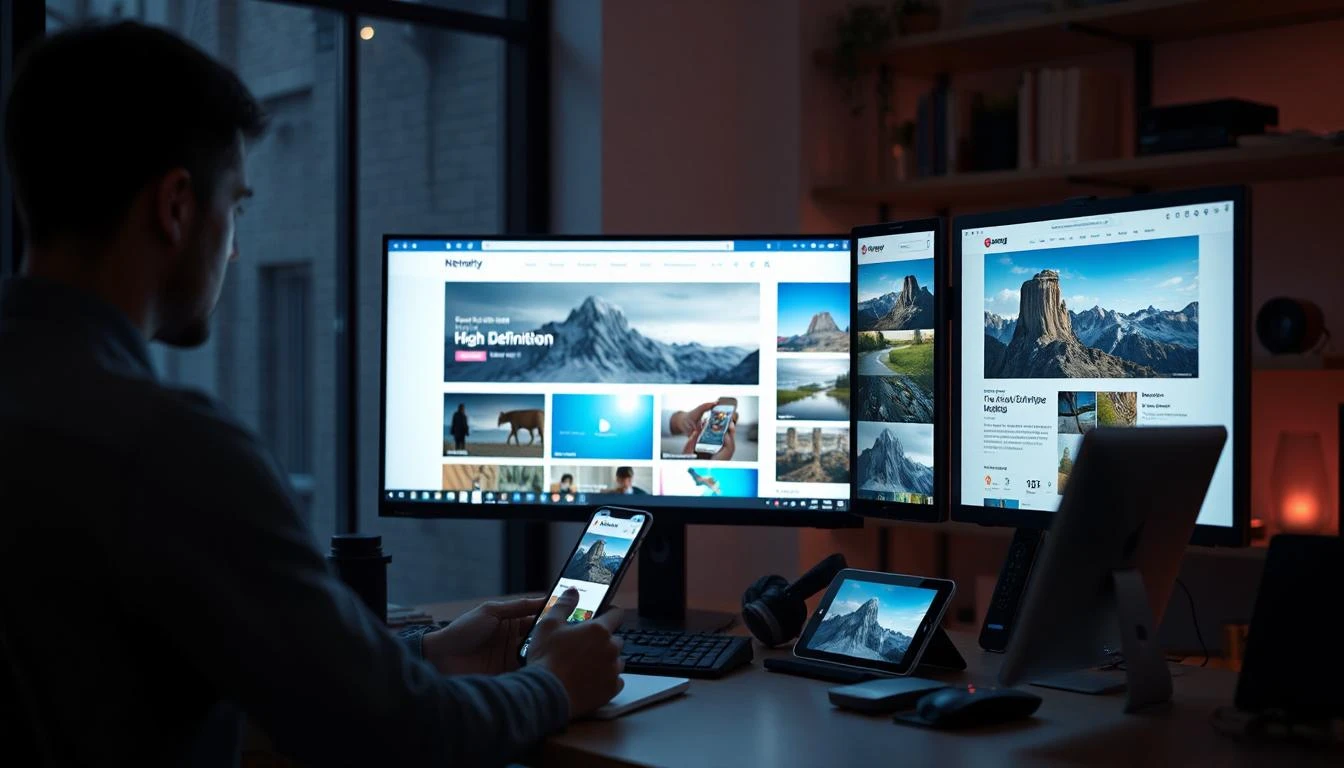
Media Trends Shaping Digital Future
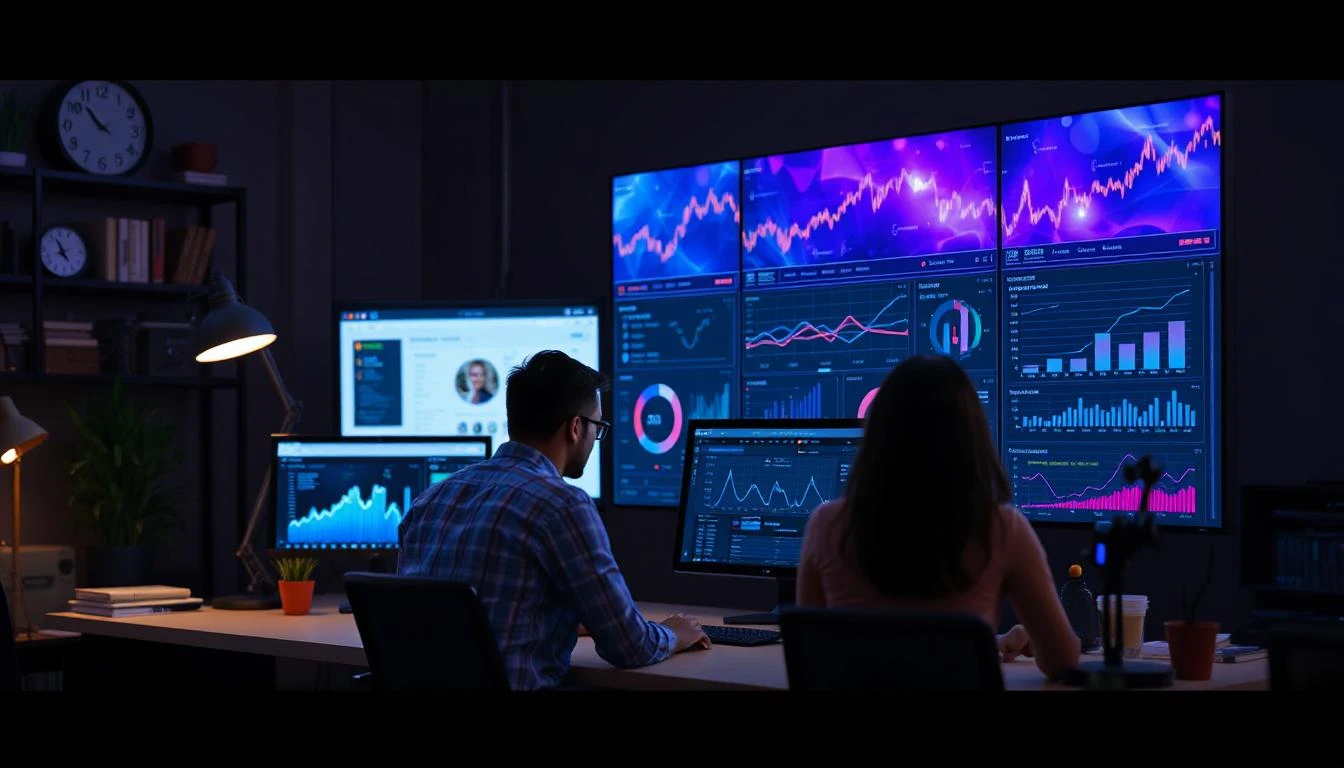
Digital life is no longer something we “log into” occasionally, it surrounds every decision, interaction, and moment of attention. From morning notifications to late-night streaming habits, media has quietly evolved into a continuous environment that shapes how people think, react, and connect.
The evolution of communication systems, entertainment ecosystems, and algorithm-driven platforms has created a new reality where perception is constantly filtered through screens. In this landscape, media trends digital future becomes more than a keyword, it represents the shifting foundation of how modern society consumes, creates, and distributes information.
In today’s fast-moving ecosystem, audiences are not just observers but active participants in a data-driven media cycle. According to media researcher Dr. Evelyn Carter, “Digital media no longer reflects culture, it actively constructs it through continuous feedback loops between users and platforms.” This statement highlights how deeply embedded media systems have become in everyday life.
Why media trends influence everyday experiences
Every scroll, swipe, and tap contributes to a behavioral map that platforms continuously analyze. This means daily routines are increasingly shaped by invisible recommendation systems that decide what content appears first, what trends rise, and what narratives gain attention.
Here, content trends online platforms audience behavior plays a crucial role in understanding why users engage with certain formats more than others. Short-form videos, interactive posts, and algorithm-curated feeds are not accidental, they are engineered responses to evolving attention spans.
The connection between technology and audiences
Technology and audiences now operate in a loop of mutual influence. As platforms evolve, user behavior adapts, and as user behavior shifts, platforms redesign their systems.
This dynamic reinforces online platforms audience behavior, where personalization algorithms predict preferences with increasing accuracy. The result is a digital environment that feels intuitive but is deeply shaped by data modeling and behavioral tracking.
Finding opportunities in changing media habits
Every shift in consumption patterns signals opportunity. The rise of micro-content, interactive storytelling, and real-time engagement tools has opened doors for creators, brands, and digital entrepreneurs.
Those who understand how audiences move between platforms can position themselves ahead of trends rather than reacting to them. This is where adaptability becomes the most valuable digital currency.
Understanding The Future Of Digital Media
The future of media is no longer centralized or predictable. Instead, it is fragmented across platforms, formats, and technologies that evolve simultaneously. This transformation is redefining how content is created and consumed at a global scale.
The expansion of immersive technologies, AI-generated content, and decentralized platforms signals a shift toward a more participatory digital ecosystem where users influence what media becomes next.
How new platforms reshape content creation
New platforms are breaking traditional media hierarchies. Anyone with a smartphone can now become a creator, distributor, and influencer simultaneously.
This shift amplifies content trends online platforms audience behavior, where virality is no longer determined by production quality alone but by relatability, timing, and algorithmic alignment.
The role of creators in media development
Creators today function as cultural translators between technology and audiences. They interpret digital behavior and transform it into engaging narratives that travel across platforms.
Media theorist Henry Jenkins once stated, “Convergence culture is about flow across multiple media platforms and the migratory behavior of audiences.” This explains why creators are now central to shaping digital ecosystems rather than just participating in them.
Exploring emerging trends in online content
Emerging trends such as AI-assisted storytelling, virtual influencers, and immersive AR content are redefining what “content” even means. These formats blur the boundary between human creativity and machine-generated output.
As these technologies evolve, media trends digital future becomes a living system rather than a static concept, constantly reshaped by experimentation and audience interaction.
Adapting To Changing Media Experiences
Adaptation in digital media is no longer optional. It is a continuous process of learning, unlearning, and re-engaging with platforms that evolve almost monthly.
To stay relevant, users and creators must understand not only what content is trending but why it is trending in the first place.
Staying updated with digital content changes
The speed of change in digital ecosystems demands constant awareness. Algorithms are updated frequently, shifting visibility rules and engagement patterns overnight.
Understanding online platforms audience behavior helps decode these shifts, allowing creators to anticipate rather than react to changes in visibility and engagement dynamics.
Building awareness of new media formats
New formats like vertical storytelling, shoppable videos, and interactive livestreams are changing how audiences consume information. These formats prioritize immediacy and emotional connection over traditional storytelling depth.
As audiences adapt, creators who master these formats gain a stronger foothold in competitive digital spaces.
Discovering better ways to consume content
Modern audiences are becoming more selective, favoring meaningful and personalized experiences over endless scrolling. This shift reflects a growing awareness of digital fatigue and attention fragmentation.
This behavioral change reinforces content trends online platforms audience behavior, where relevance and timing matter more than volume or frequency.
Follow The Latest Media Trends
The media landscape continues to evolve at a rapid pace, driven by technological innovation and shifting audience expectations. Staying aware of these changes is essential for anyone navigating digital ecosystems.
Dr. Thomas Riley, a digital sociology expert, notes, “The future of media is not about consumption, it is about participation, where every user becomes part of the content itself.” This perspective highlights the increasingly interactive nature of modern media.
Navigating The Next Wave Of Digital Media
The next wave of digital transformation is defined by integration, where AI, immersive environments, and real-time data merge into unified experiences. Content is no longer static; it adapts based on who is viewing it and how they interact with it.
This evolving structure reinforces media trends digital future, showing that media is becoming less of a product and more of an adaptive experience shaped in real time by user behavior.